

- 1. India’s AIF industry recorded approximately 54% annual growth in commitments between September 2014 and 2024, while the number of schemes nearly tripled between FY19 and June 2024.
- 2. Category II and III AIFs have driven recent growth, with debt investments accounting for 40% of Category II investments as of September 2024, supported by private credit’s growing role.
- 3. Despite rapid growth, India’s AIF industry remains underpenetrated compared with developed markets. An expanding HNI base and increasing demand for portfolio diversification could support further growth.
- 4. SEBI’s Accredited Investor framework could broaden AIF participation by allowing eligible investors to invest below the standard 1 crore minimum commitment, subject to ₹ specified eligibility requirements.
- 5. Listing close-ended AIF units could improve secondary-market liquidity, price discovery and pension fund participation, provided clearer operational guidelines address transferability and trading requirements.
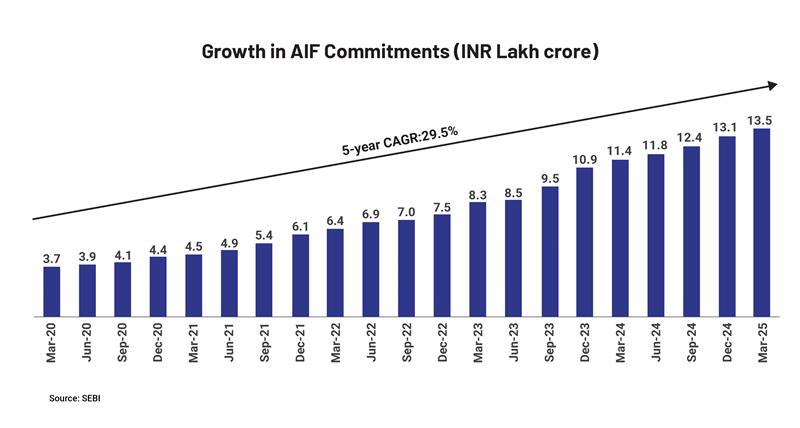
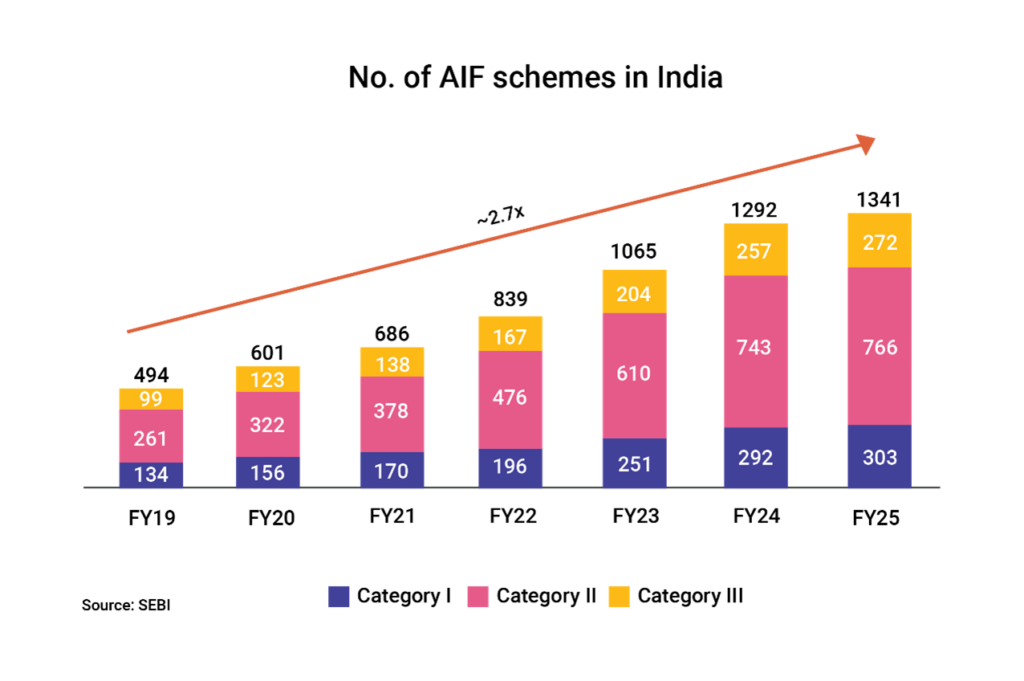
In the recent past, the majority of incremental funds have been raised in Category II and Category III AIFs. While Cat III investments are predominantly concentrated in listed equities, the growth in Cat II funds have been contributed by the Private Credit segment with debt investments contributing 40% to the segment as of September 2024, as per data released by SEBI. Higher volatility in the market due to consequences of black swan events like Covid-19, geo-political tensions, etc., and other macroeconomic factors have been a major concern for traditional investments. Given these issues, Debt AIFs fit well into the criteria providing higher risk-adjusted returns and inflation hedging.
Huge room for growth
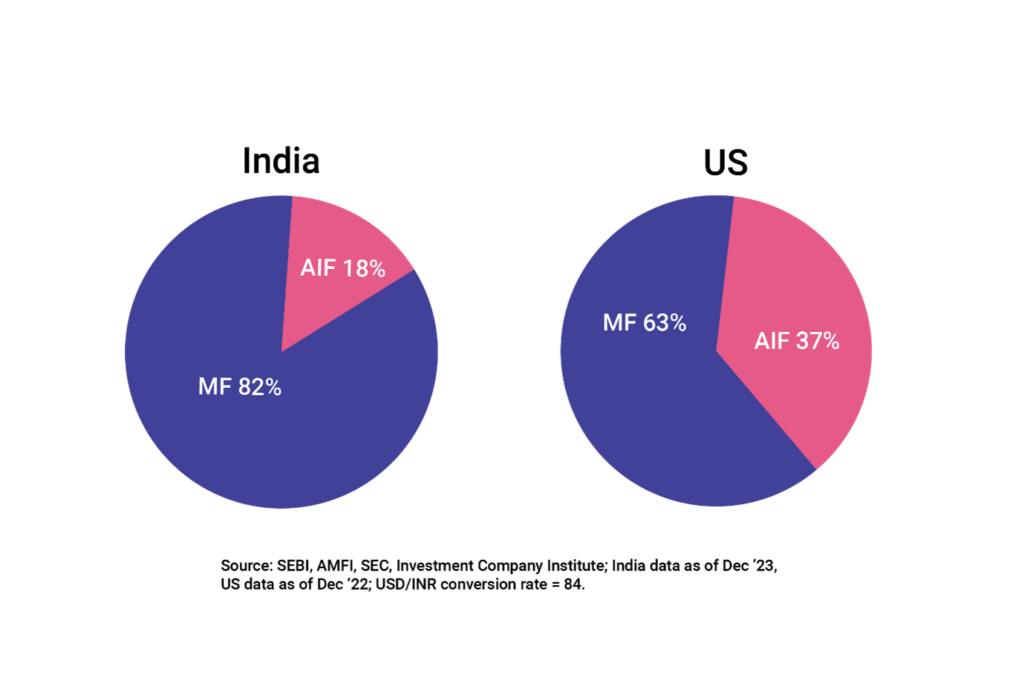
Despite the rapid growth in the number of schemes and commitments, the AIF industry is yet to mature to a much larger size given the lesser restrictions it enjoys with respect to investment in the unlisted universe compared to mutual funds and the risk-return spectrum it offers. Its potential to grow can be gauged from its share in the overall asset size of pooled investment vehicles in the country, which is much smaller than what it is in other developed countries like the US.
- HNI base
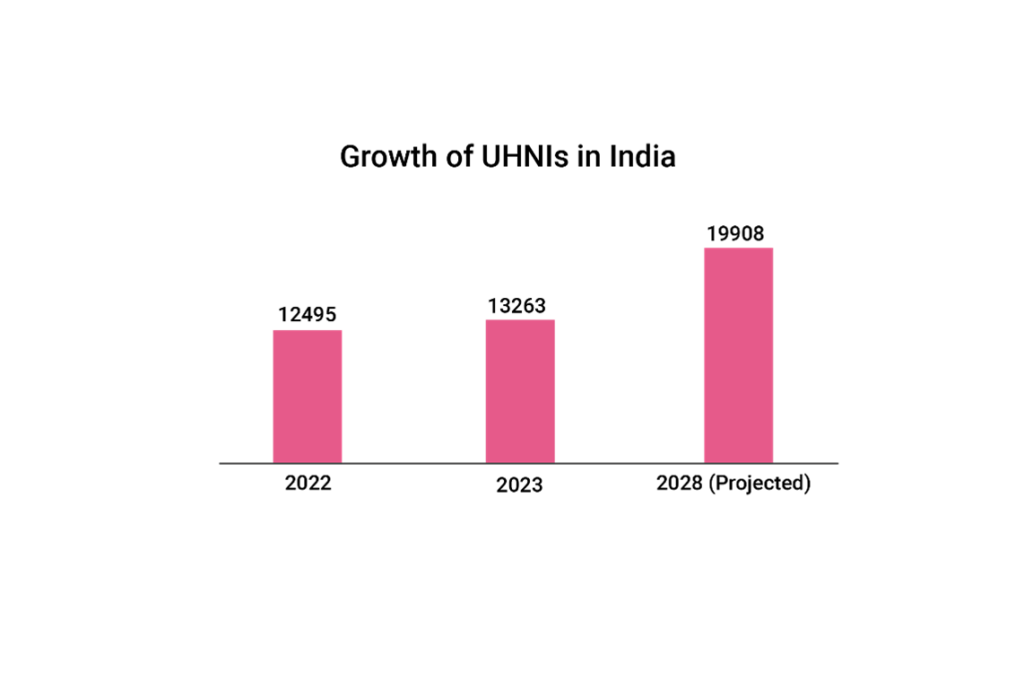
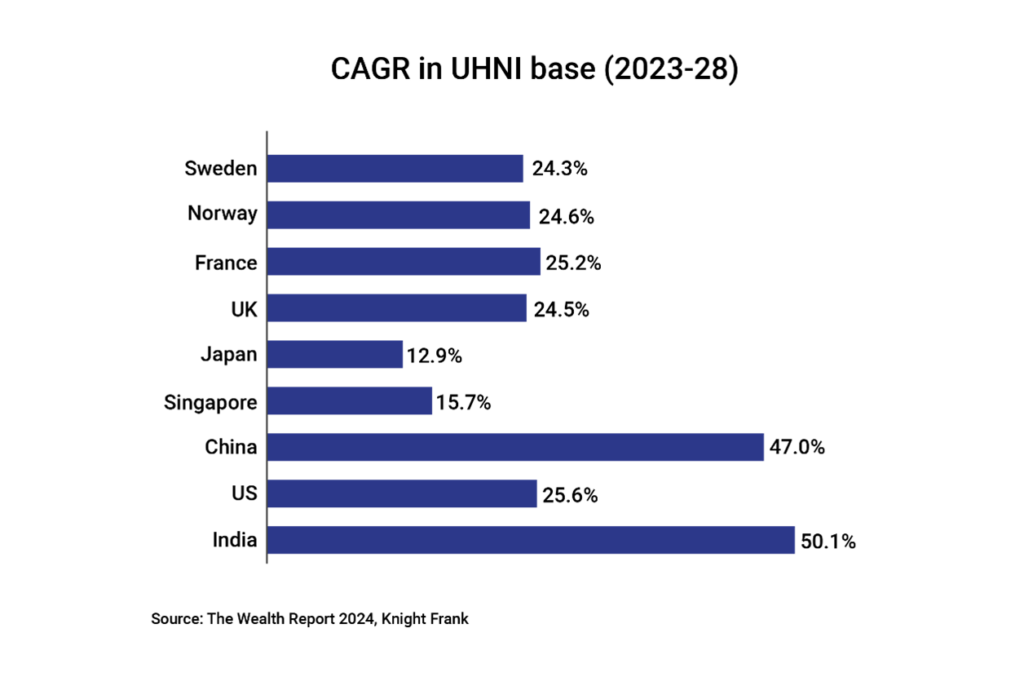
Is there inherent strength to support the growth potential of AIFs in India? There is indeed a significant pool of wealthy individuals who all can be the target group to tap the underpenetrated market. As per a recent report, the number of ultra-high net-worth individuals (UHNIs) in India, with a net worth of over US$30 million, is expected to witness the highest growth (~50%) for any country across the world between 2023 and 2028.
- Accreditation
The Accreditation Investors framework, initiated by SEBI in 2021, holds the key to the paradigm shift in the AIF industry. This is primarily because the market regulator has allowed Accreditation Investors under the framework to invest with ticket sizes that are lower than the stipulated minimum amount of INR 1 crore. The premise of the framework is based on a class of investors, who are equipped with good knowledge about the risk and returns of financial products, have the ability to make informed decisions about their investments, and meet certain income eligibility criteria.
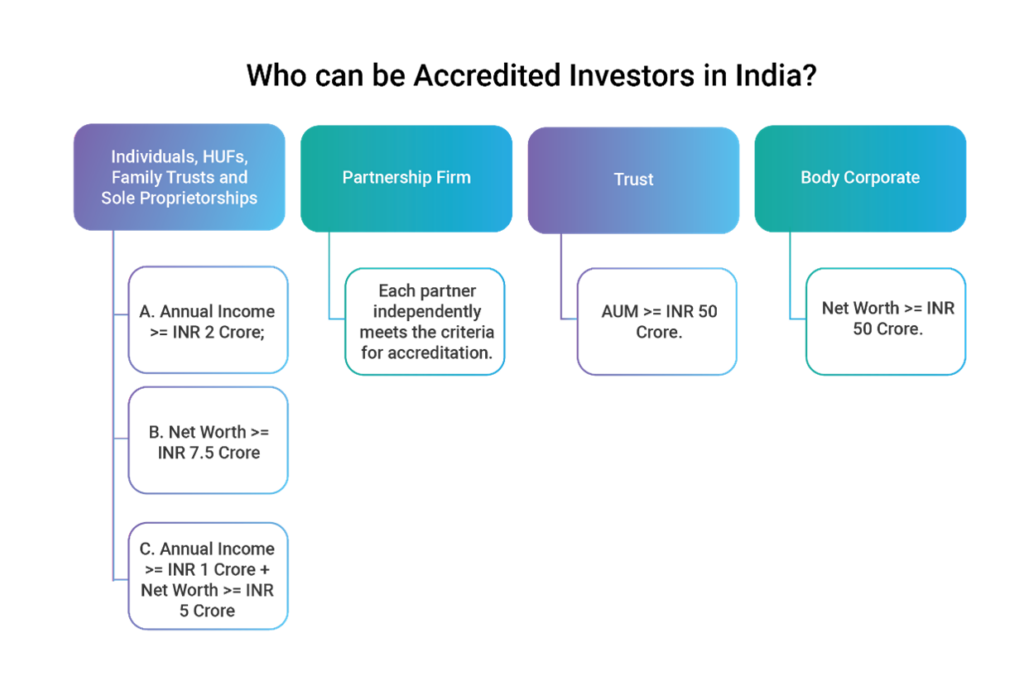
The relaxed criteria in minimum investment will be able to unlock the potential of the AIF industry by enabling investors to enter the market who were previously backing off due to higher ticket sizes.
- Listing of fund units
The development of a secondary market for AIFs is essential to ensure liquidity in the AIF industry. As per Section 14 of SEBI’s AIF regulations, units of close-ended AIFs may be listed on a stock exchange subject to a minimum tradable lot of INR 1 crore, after the final close of the fund or scheme.
The listing of AIF units would
- Ensure liquidity by allowing investors an easy exit opportunity (subject to KYC) due to dematerialisation and enabling price discovery in a demand-supply mechanism
- Create a more enabling environment for Pension Funds, which are more inclined to investing in listed securities according to PFRDA guidelines, to invest in AIF units.
In this regard, clear operational guidelines should also be established by the regulator with respect to standardisation of contribution agreements, handling of fractionalised units, tradable lot sizes for Accredited Investors, and involvement of merchant bankers in the listing process.
Frequently Asked Questions (FAQs)
1. Is AIF close ended?
Alternative Investment Funds (AIFs) can have different structures depending on their category and investment strategy. The article specifically discusses close-ended AIFs and their potential listing on stock exchanges. Under the regulatory provision cited, units of close-ended AIFs may be listed after the final close of the scheme, subject to a minimum tradable lot of 1 crore. Such ₹ listings could facilitate secondary-market transactions.
2. How risky is AIF?
Alternative Investment Funds (AIFs) carry risks depending on their underlying investments, strategies and liquidity structures. The article highlights their potential diversification benefits and relatively low correlation with public markets, particularly for private credit investments. However, these characteristics do not eliminate investment risk. Investors must consider market conditions, liquidity limitations and their ability to evaluate financial risks before participating in AIFs.
3. How could listing AIF units support the industry’s growth in India?
Listing AIF units on stock exchanges could help develop a secondary market by facilitating investor exits and enabling market-based price discovery. The article also suggests that listed units could encourage greater participation from pension funds. However, effective implementation would require clearer guidelines covering contribution agreements, fractionalised units, tradable lot sizes for Accredited Investors and the involvement of merchant bankers.
4. What are the eligibility criteria to become an accredited investor for AIFs?
Accredited Investors under SEBI’s framework, introduced in 2021, are investors who demonstrate good knowledge of the risk and return profile of financial products, have the ability to make informed investment decisions, and meet specified income eligibility criteria. Certification is issued by Accreditation Agencies, which can be subsidiaries of stock exchanges or depositories (such as NSDL or CDSL), or any other institution meeting SEBI’s eligibility criteria for the role.
The standard minimum investment commitment for an AIF in India is 1 crore. SEBI’s ₹ Accredited Investor framework, introduced in 2021, allows eligible investors who meet specified income and sophistication criteria to invest below this threshold, subject to applicable conditions, as a way to broaden participation in the asset class.
Disclaimer: The information provided in this article is for general informational purposes only and is not an investment, financial, legal or tax advice. While every effort has been made to ensure the accuracy and reliability of the content, the author or publisher does not guarantee the completeness, accuracy, or timeliness of the information. Readers are advised to verify any information before making decisions based on it. The opinions expressed are solely those of the author and do not necessarily reflect the views or opinions of any organization or entity mentioned.