

Key takeaways The Securities and Exchange Board of India (SEBI)’s February 2023 consultation papers proposed reforms to improve transparency, investor protection, and transferability of Alternative Investment Fund (AIF) units. The proposed direct plan framework aimed to eliminate distribution or placement fees for investors choosing to invest directly. Vivriti Asset Management had already introduced direct plans in 2021. SEBI proposed that Category I and II AIFs pay one-third of distributor commissions upfront and the remaining two-thirds through a trail model, to improve transparency and reduce potential mis-selling; Category III AIFs would carry no upfront fee at all. SEBI proposed requiring approval
[...]
Continue Reading
Enter your details to view the full report.
- The Securities and Exchange Board of India (SEBI)’s February 2023 consultation papers proposed reforms to improve transparency, investor protection, and transferability of Alternative Investment Fund (AIF) units.
- The proposed direct plan framework aimed to eliminate distribution or placement fees for investors choosing to invest directly. Vivriti Asset Management had already introduced direct plans in 2021.
- SEBI proposed that Category I and II AIFs pay one-third of distributor commissions upfront and the remaining two-thirds through a trail model, to improve transparency and reduce potential mis-selling; Category III AIFs would carry no upfront fee at all.
- SEBI proposed requiring approval from investors representing 75% of investment value for specified related-party transactions. Vivriti highlighted its existing practice of obtaining independent board consent.
- Mandatory dematerialisation of AIF units was proposed to improve transferability and investment visibility. Vivriti also advocated listing AIF units to facilitate secondary-market transactions.
On Feb 3, 2023, the Securities and Exchange Board of India (SEBI) came up with five consultation papers proposing changes in regulatory norms for AIFs.
SEBI releases consultation papers on regulatory norms from time to time on different aspects of the capital market to seek inputs/ suggestions from all stakeholders on their proposals.
The consultation papers released by the capital market regulator reflect its continued focus and interest in developing AIFs. The recent papers suggesting the next generation of reforms for AIFs are aimed at bringing fairness and transparency to investors. Notably, Vivriti Asset Management is already much ahead in the game with respect to the below mentioned tenets in the consultation papers.
We have briefly captured our understanding of the impact if the proposals in the papers are implemented:
1. Transparency
a)Investor participation via ‘direct plan’ and payment of distributor commission on a trail basis
The recent papers seeking feedback from industry participants include a two-fold objective in the proposal –
- AIFs to offer the option of a direct plan to its investors and
- Creating trail model for distributor commissions in AIFs.
Similar practices have already been implemented in the mutual fund industry and which has received positive feedback from both investors and the mutual fund community. Mutual funds offer both regular plans and direct plans. In the case of a regular plan, the investor invests via an intermediary and has to bear a higher expense ratio than if he would have directly invested in the schemes due to the additional fee charged by the intermediary. The direct plan entails no distribution or placement fee.

In the mutual fund industry, Trail Commissions are calculated as a percentage of distributors’ assets under the management. It is generally calculated on a daily basis and paid every quarter. As these are calculated on net assets, distributors gain from the rise in their assets due to higher NAV of funds or the sale of more units. An investor doesn’t need to worry about trail commissions because these are factored into the expense ratio explicitly stated by the funds.
Vivriti Asset Management has adopted the practice of offering direct plans of its schemes with the launch of its Short-Term Bond Fund way back in 2021.
SEBI’s proposal to pay 1/3rd of the (present value of) distribution fee upfront (acknowledging the need for some reasonable incentives) and the rest 2/3rd on trail basis is expected to benefit the industry on a medium to long-term perspective. The proposal is expected to significantly reduce the chances of mis-selling AIF schemes and bring transparency to investors.
b) Conflict of interest
AIFs are allowed to deal with their associates for investing in associates, buying/selling securities to/from, availing services of them, etc. However, such related party transactions could give rise to conflicts of interest. While current regulations already have provisions to address such conflicts of interest, SEBI in the consultation paper has proposed specifically that AIFs cannot undertake such related party transactions without the approval of 75% of investors, calculated by the value of their investment in the AIF, in (a) associates; or (b) units of AIFs managed or sponsored by its Manager, Sponsor or associates of its Manager or Sponsor.
We appreciate the move since the existing industry and regulatory issues around related party transactions will be resolved. The larger point of this proposal is to ensure that investors are not left in a state of oblivion by the asset manager for any investments in bad assets of the associates. We as an asset manager are one step ahead in this regard as we take the consent of our independent board of directors for any such transactions to maintain transparency in our dealing with associates.
2. Transferability – Dematerialisation of units
SEBI noted that despite the regulation of issuance of AIF units in place, most of the AIF scheme units are not yet dematerialised and are held in physical form. Henceforth, the market regulator has proposed that dematerialisation of units of AIFs shall be made mandatory wherein all schemes of AIFs with a corpus of more than INR 500 crores shall compulsorily dematerialise their units by April 1, 2024.
Vivriti Asset Management has always advocated the need for dematerialisation of AIF units in order to create ease in transferability. In a recent note published in Economic Times, we stressed the development of a secondary market for AIF via the listing of fund units. This is essential to ensure liquidity in the AIF industry.
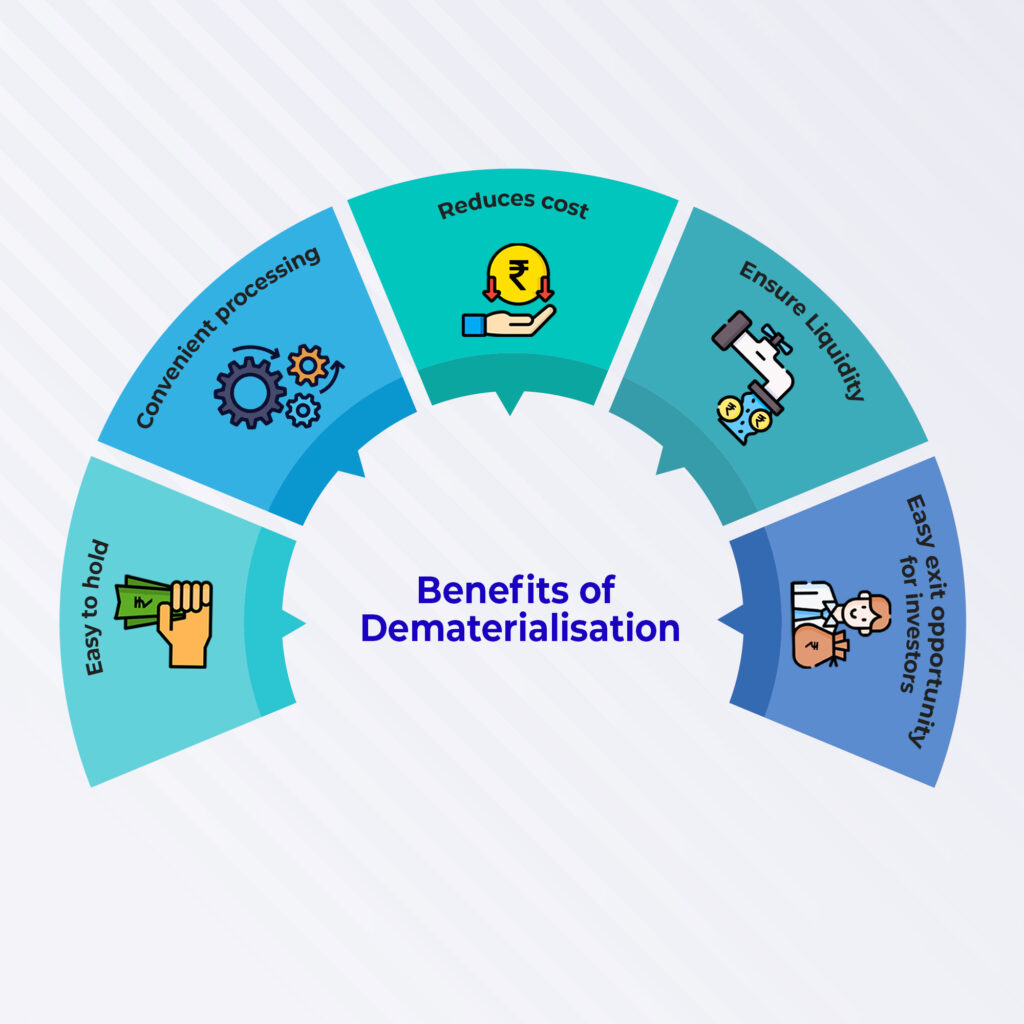
The marketability of any instrument is severely impacted if the instrument is maintained in a physical form. Therefore, it is a crucial step that can promote AIF products and create accessibility to the larger market. It will also enable adequate monitoring of investments in AIFs by investors as they would get higher visibility of cash flow and returns making their decision to sell or transfer units easier. The next logical step in this regard would be the listing of units because dematerialisation would enable the viewing of holding units, but investors won’t be able to trade the units in the open market unless they are listed.
Frequently Asked Questions (FAQs)
Q1. Does SEBI regulate AIFs?
Yes, the Securities and Exchange Board of India (SEBI) regulates Alternative Investment Funds (AIFs). It periodically releases consultation papers seeking stakeholder feedback on proposed regulatory changes. The papers discussed in this article focus on improving transparency through direct plans and distributor commissions, addressing conflicts of interest in related-party transactions, and facilitating the transferability of AIF units through dematerialisation.
Q2. What are the key proposals in SEBI’s consultation papers on AIFs?
SEBI’s February 2023 consultation papers proposed changes to improve transparency, investor protection, and transferability in Alternative Investment Fund (AIF) units. Key proposals included introducing direct plans, adopting trail-based distributor commissions for Category I and II AIFs, requiring investor approval for specified related-party transactions, and mandating dematerialisation of AIF units.
Q3. What changes did SEBI propose for direct plans and distributor commissions in AIFs?
SEBI proposed introducing direct plans that allow AIF investors to participate without paying distribution or placement fees. For Category I and II AIFs, it also proposed a trail-based commission structure, with one-third of distributor commissions paid upfront and the remaining two-thirds distributed over time; Category III AIFs would carry no upfront fee at all. These measures aimed to improve cost transparency, reduce potential mis-selling, and better align distributor incentives with investor interests.
Q4. How do SEBI’s AIF consultation papers address conflicts of interest?
SEBI proposed requiring approval from investors representing 75% of the investment value before AIFs undertake specified related-party transactions. These include investments involving associates and units of AIFs managed or sponsored by related entities. The proposal aimed to improve transparency and protect investor interests. Vivriti Asset Management highlighted its existing practice of obtaining independent board consent for such transactions.
Q5. Why did SEBI propose dematerialisation of AIF units?
SEBI proposed mandatory dematerialisation of AIF units to improve transferability, transparency, and investor visibility. The consultation paper proposed that schemes with a corpus exceeding 500 crore dematerialise their units by April 1, 2024. Vivriti Asset Management ₹ supported dematerialisation and advocated listing AIF units to facilitate secondary-market transactions, recognising that dematerialisation alone does not enable exchange trading.
Disclaimer:
The details mentioned above are for information purposes only. The information provided is the basis of our understanding of the applicable laws and is not a legal, tax, financial advice, or opinion and the same subject to change from time to time without intimation to the reader. The reader should independently seek advice from their lawyers/tax advisors in this regard. All liability with respect to actions taken or not taken based on the contents of this site are hereby expressly disclaimed.